Vibe Coding Foundations
One-liner
Learn to vibe code in 5 weeks, in a small group of founders/PMs led by an experienced instructor >> go from ideas to working prototypes in ~hours/days
What it is
A 5-week online course that consists of:
- 30% AI Fundamentals >> understand the vocabulary and concepts behind LLMs
- 70% Vibe Coding Practice >> get exposure to various tools, practice prompting, build a prototype, and ship
This 2nd part includes:
- setting up your tech stack (think VS Code, GitHub) and deep dive with Claude Code so you learn how to build with AI
- learning about LLM APIs and how you can integrate them into your projects
- completing two Sprints using tools like Claude Code, n8n, Lovable, Instant, Supabase so you get further exposure to new tools and build approaches
By the end of the course, you’ll build a working AI-powered prototype from scratch and walk away with a foundational toolbox of vibe coding tools and approaches that you can apply immediately and grow over time.
Who it’s for
We built this for non-technical founders, PMs and other tech-adjacent professionals in tech (marketing, ops, etc.) who:
- want to meet the growing expectation to prototype ideas themselves using vibe coding (see Aaron Levie's and Kaz Nejatian's twitter threads)
- feel the itch to build but don’t know where to begin
- already tried tools like Lovable but got frustrated and want to have more control over their product
- aren’t scared to learn something hard!
How it works
- small study group of 7-12 founders/PMs/marketing/ops ppl
- structured, well-researched curriculum, updated as of Oct 2025
- hands-on instructor, who comes from a non-technical background and has mastered vibe coding herself
- weekly speakers like:
- Gordon Wintrob (co-founder and CTO of Newfront, $2.2bn insurance tech co)
- Vaibhav Gupta (co-founder of Boundary YC W23, ex-Google, ex-Microsoft)
- SOTA learning practices like active recall, spaced repetition, metacognition, etc.
- async reading & assignments, mixed with group calls to keep you accountable
- two vibe coding sprints integrated within the course
- course project you launch on your final week
Outcomes
This is not a "10 easy lessons to code" gimmick. We don’t sell shortcuts; our approach is to go deeper and resist the easy path. You will get frustrated. You will get familiar with the terminal.
But on the other side, you will walk away with:
- a compounding toolbox of skills like setting up and using Claude Code, calling LLM APIs, building automations with n8n, and debugging in the terminal
- a launched prototype like a working AI-powered web app you can demo, share, and use as proof of execution
- a repeatable methodology -- you will learn a structured approach to starting projects, unblocking yourself with Claude Code and ChatGPT, and shipping prototypes regardless of the problem or scope
Reviews
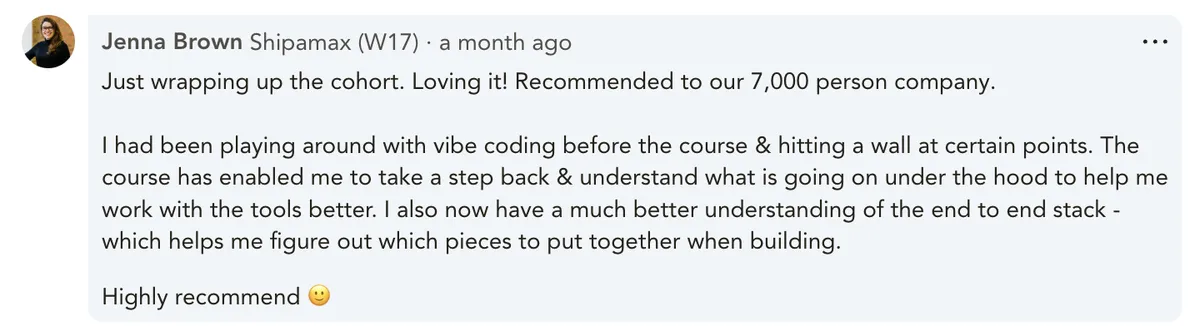
>>> Want to hear a student's perspective on the course? Check out Felipe Echandi's take here.
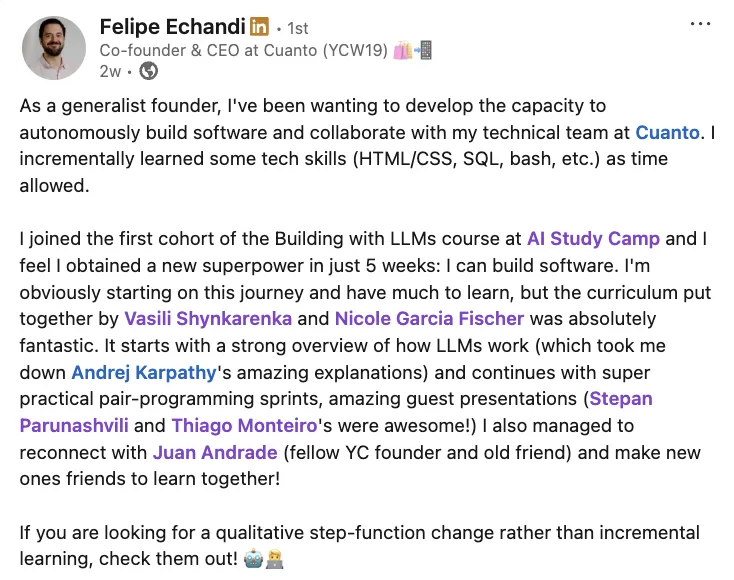

“Thanks so much, it was a lovely course - I learned a lot and had fun building so much stuff that I would previously have hesitated to even try ... Currently working on a word based party game with my newly earned vibe-coding skills :)) I’m very excited to keep going. Many thanks for coordinating everything and making this such a cool course!”
~ Maulashree Shanbagh, Caribou
Example of Students' Final Projects
- Felipe Echandi, co-founder & CEO at Cuanto (YC), launched an app for users to identify and rate sidewalks that need fixing in Panama. The app uses an open source map API, geolocation, file storage, authentication, and an LLM API to rate the health of the sidewalk based on the image the user uploads. To help orchestrate Claude Code, he even built sub agent personas for different coding tasks (i.e., researcher, planner, developer).
- Ben Stephens, Head of People & Talent at Caribou developed a candidate screening & ATS scoring tool that parses resumes, evaluates candidates against role-specific skills, and generates both an overall fit score and skill-by-skill breakdown. He can add new roles, descriptions, and required competencies on the fly, and the system instantly scores every applicant.
- Juan Andrade, founder at Caribou (YC), created a voice-to-text ‘Age of Empires Strategy Discord Bot’ so that he and his friends can verbally ask strategy questions mid game.
- Karyshma Gill, Finance at Caribou, built Fair Meet, an app that recommends a fair meeting point for two users given their zip codes, the date for the meetup, and the kind of activity they want to do. Uses APIs for real London Tube times and events happening in the area. Used: Next.js, Typescript, Instant, TfL API (Transport for London), Google Places API, PostCodes.io (UK postcode lookup and geocoding).
Syllabus
- w1, AI Fundamentals: develop a theoretical foundation of Large Language Models and AI use cases
- w2, Vibe Coding Foundations + Sprint 1: set up your dev environment and build your first web app
- w3, Deep Dive with Claude Code: get a foundational understanding of AI-powered development with Claude Code
- w4, LLM APIs & Automation + Sprint 2: learn about augmented LLMs & evals; complete Sprint 2 and build an AI-powered Insights Generator using n8n
- w5, Launch & Demo Your Prototype: demo your prototype & ship!
See the full syllabus here.
Why Claude Code
Three big reasons, and many little ones:
- it forces you into the craft by teaching you programming concepts -- you'll have to go deeper into your build approach, UX/UI, databases, and APIs
- it gives you finer control over your product compared to tools like Lovable
- if you can learn how to use Claude Code, all the other vibe coding tools are easier to learn
This is the way.
Logistics
- fully remote
- 5 weeks, ~1-2h a day to make sure it really sinks in and make progress on projects
- 60% async (reading, watching, vibe coding, etc.) and 40% live (speaker lectures, group discussions)
- live lectures and group calls are on Thursdays and Fridays at 9 am PT
Important! You really need to allocate at least ~1-2hr per day to the course, otherwise it won’t work. Karpathy explains why in this twitter thread.
Instructors
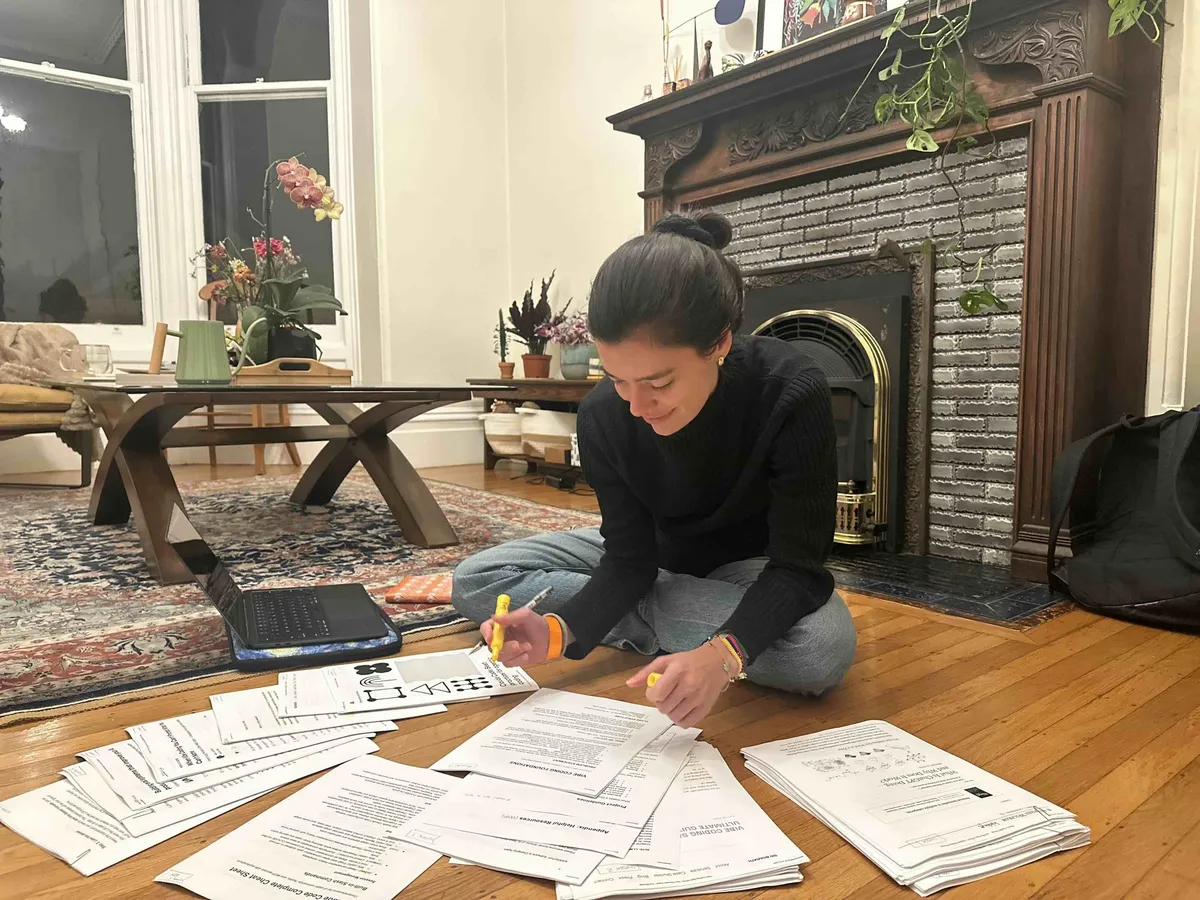
main instructor, Nicole, doing a final check on all course materials, circa early Oct 2025
#1 Nicole Garcia Fischer -- main instructor
- worked in bizops for 7 years, built 0-to-1 processes for a 3000 person company
- in early 2025, learned the craft of vibe coding having no programming experience and launched two apps on the App Store:
- Go Deeper (a multi player questions game) and
- Inspirations App (a way to track your inspirations and understand what moves you)
- vibe coded several websites (one, two, three)
- alumni of AI Study Camp’s Building with LLMs class
- Duke grad
- focus: Vibe Coding
- Linkedin, Diary of a Vibe Coder
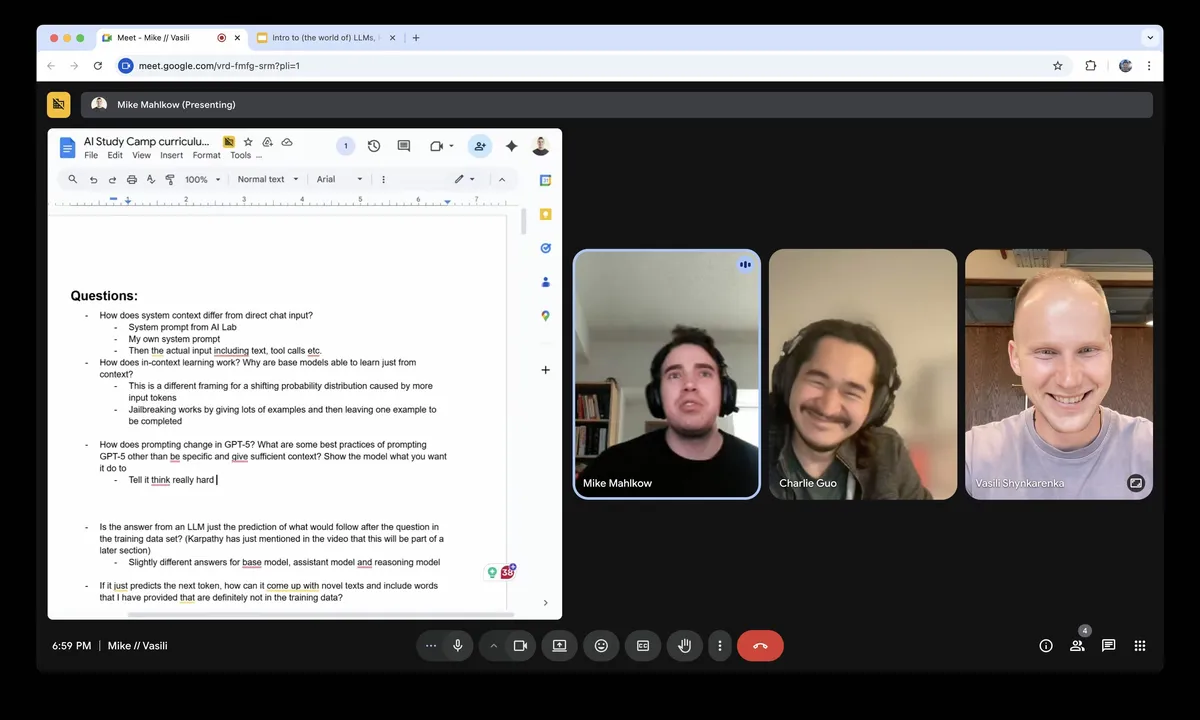 co-instructors Vasili & Charlie doing a 1-1 with Mike Mahlkow, CEO at Fastgen (YC W23), c10 student of Building with LLMs class
#2 Vasili Shynkarenka -- co-instructor
- mostly worked on chatbots and voice assistants, since 2015
- built a software agency BotCube in ~2016-2018, creating chatbots for large enterprises like $2bn/year retailers
- YC founder, Storyline W18 (no-code Alexa skills builder)
- teaching LLMs for 5 years now
- focus: AI fundamentals
- linkedin, AI blog
Next cohort details (3rd)
The next 5-week cohort of VCF will run from March 2 to April 7, 2026.
Pricing
The course costs $4,000, with a 20% discount if you buy multiple seats.
How to sign up
Fill in this form and we’ll be in touch in ~24h.
PS Vibes check
It has been repeatedly reported that our courses have really good vibes!
See some pictures from the past few batches of Building with LLMs course below:
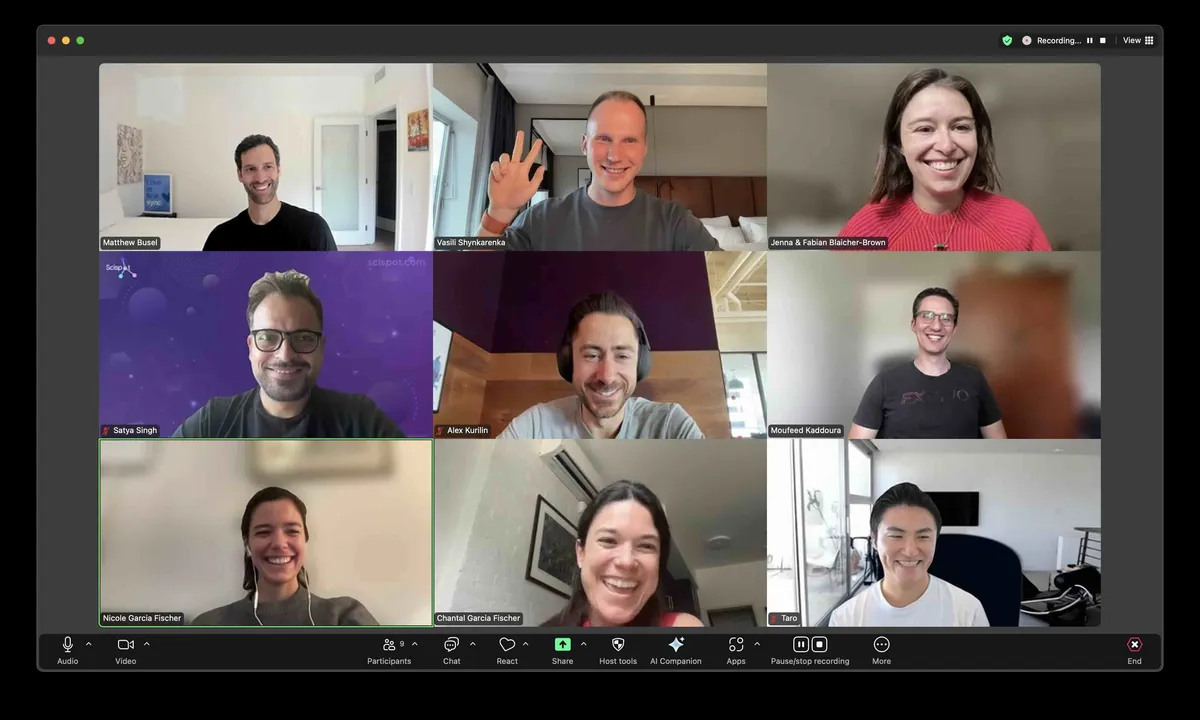
9th cohort kickoff! featuring Jenna Blaicher-Brown (exited Shipamax W17 to $40B+ WiseTech), Matthew Busel (co-founder of Whalesync S21, now building agents at Basis), and others
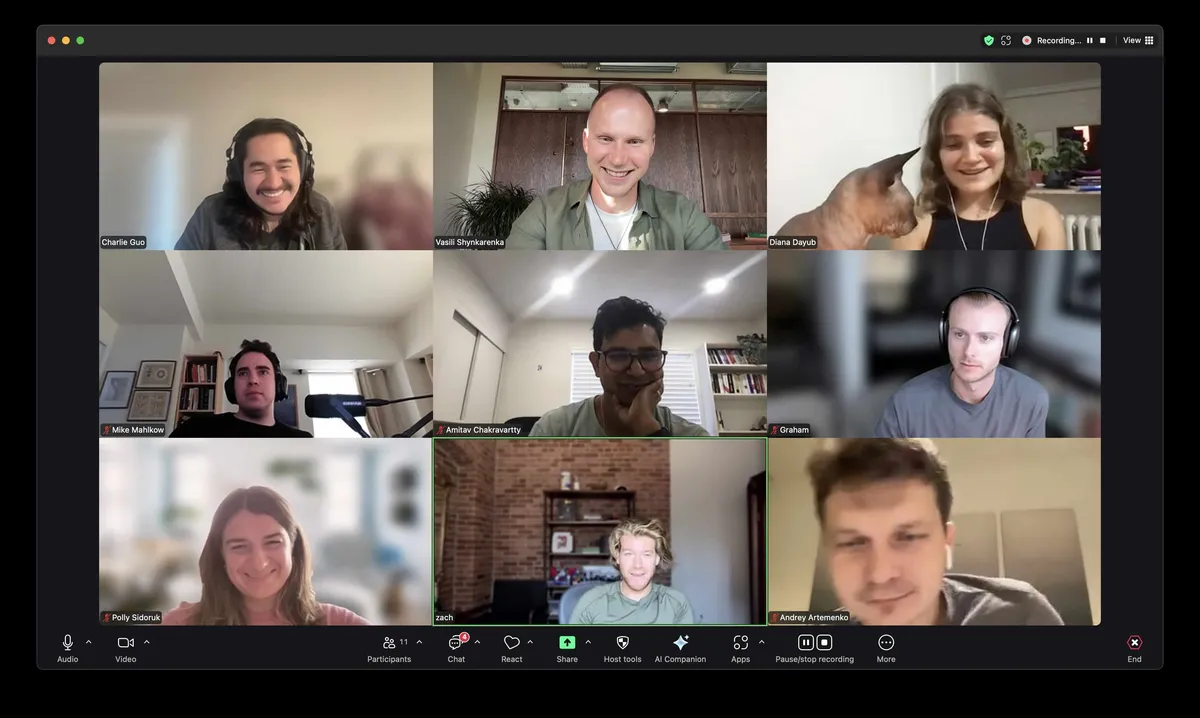
10th cohort kickoff! featuring Zach Sims (Codecademy Founder/CEO, exited for $525m to Skillsoft), Andrey Artemenko (Carrefour VP of ecommerce), and others
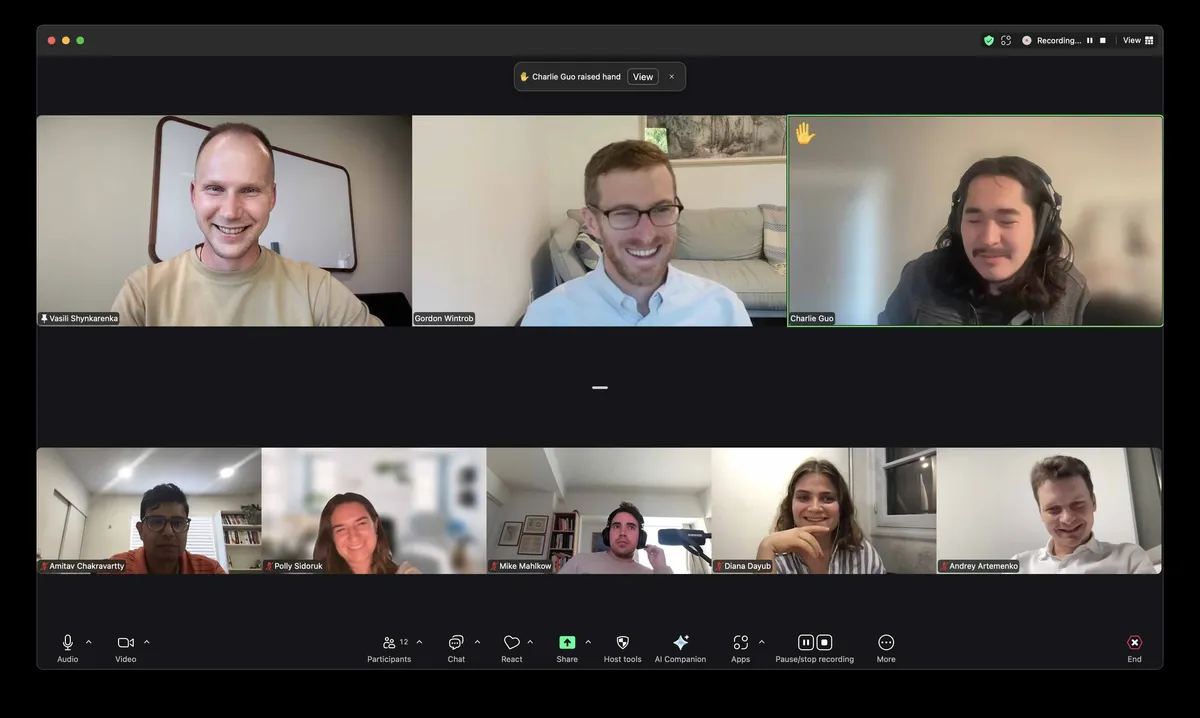
Gordon Wintrob (co-founder and CTO of Newfront, $2.2bn insurance tech co) stopping by to talk about how they use LLMs internally and to improve their product
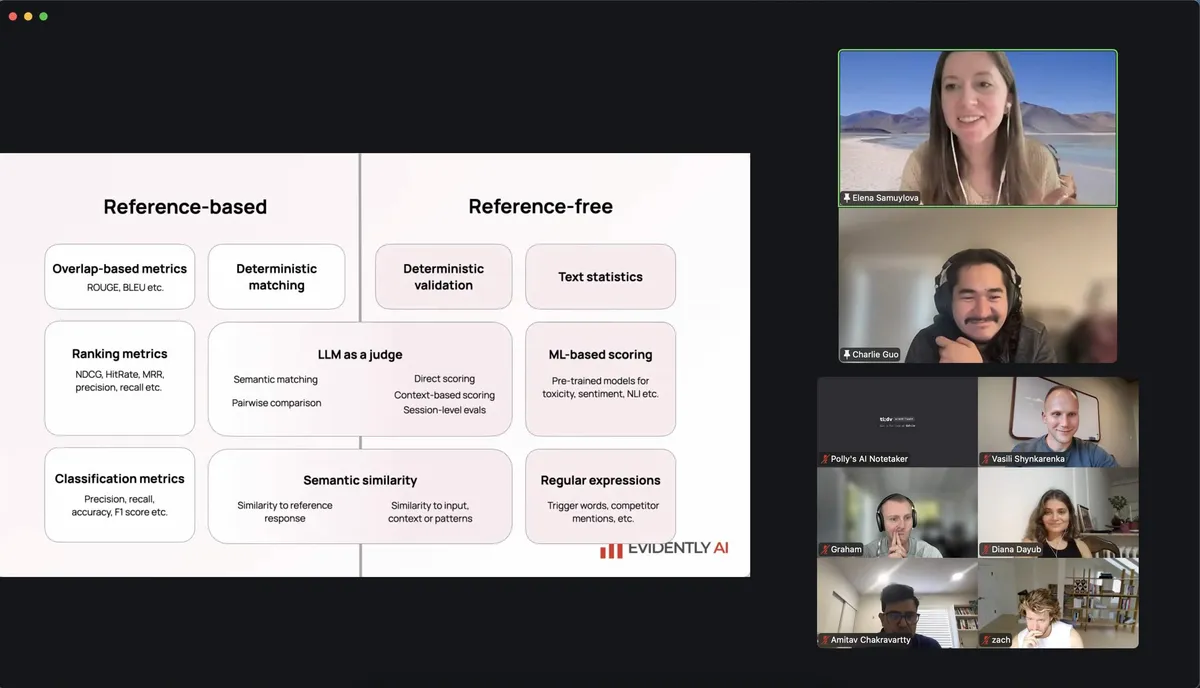
Elena Samuylova of Evidently AI S21 giving a lecture on evals; Charlie Guo (course instructor) digging in and asking re vibe evals
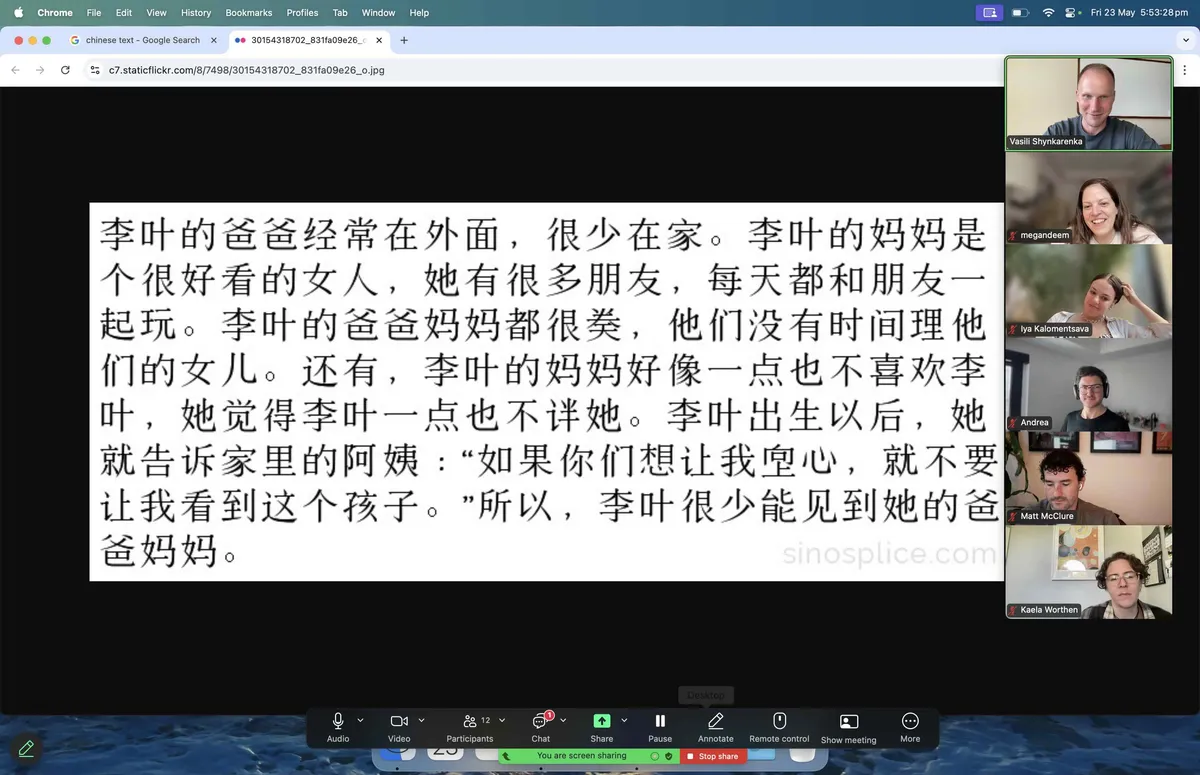
Vasili Shynkarenka (course instructor) explaining how LLMs learn by having Chinese-naive students try and make sense of Chinese writing; read more here
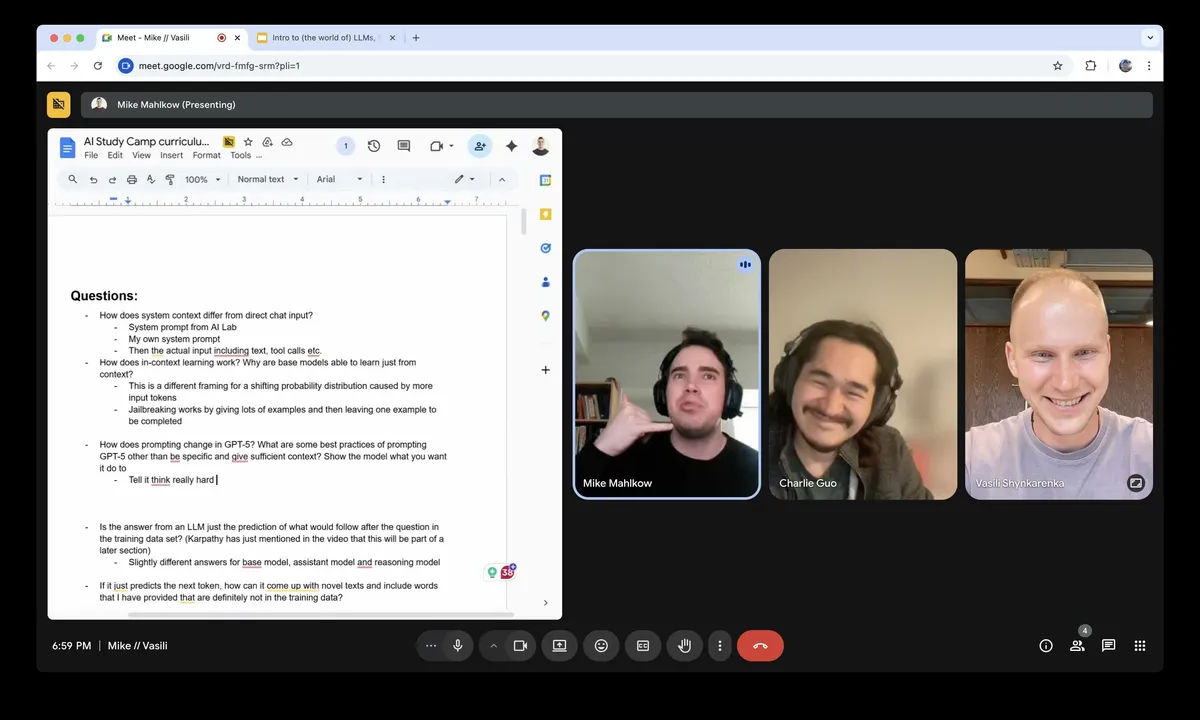
Vasili & Charlie as course instructors answering a (very long!) list of Mike Mahkow's open questions about LLMs
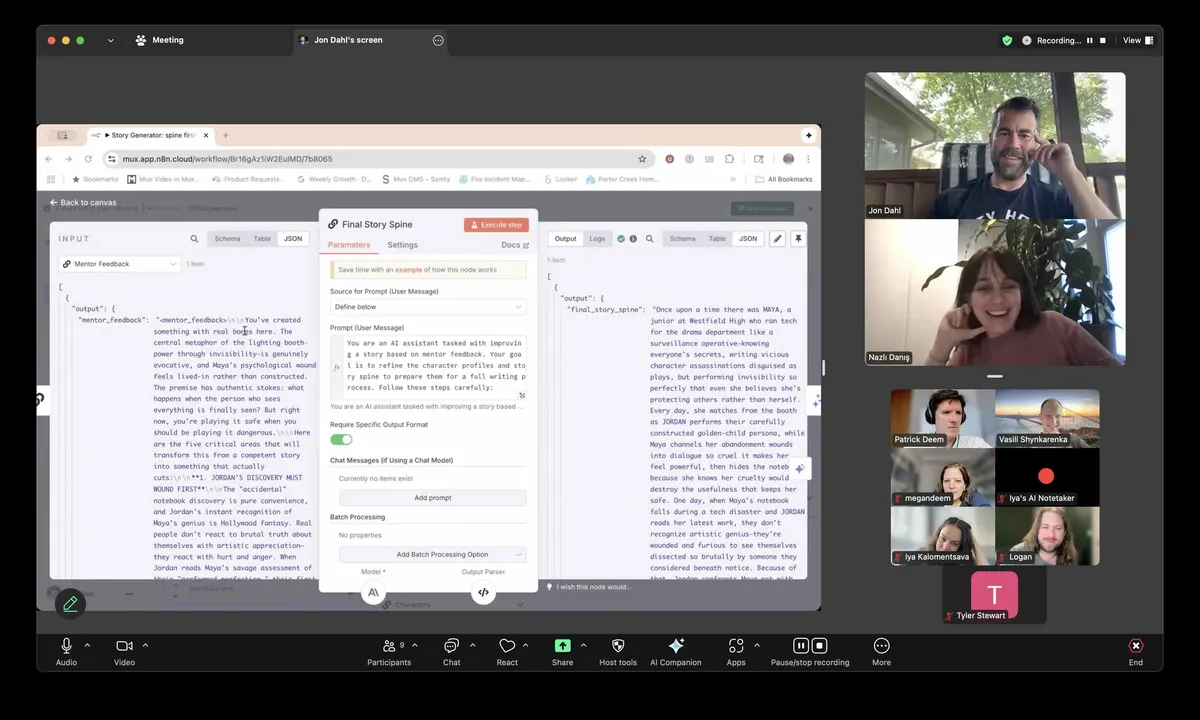
Jon Dahl of Mux W16 pitching his course project - n8n pipeline for story generation; Nazli Danis of Paloma S25 giving feedback!
THE END